
Case Study: How Singapore SMEs Improved Workflow with AI


Introduction to AI in SMEs
Small and Medium Enterprises (SMEs) in Singapore are increasingly turning to artificial intelligence (AI) to enhance their workflow. AI offers a range of solutions that help businesses to optimize operations, improve decision-making, and drive innovation. This case study explores how Singaporean SMEs have successfully integrated AI into their processes.

Understanding the Challenges
Many SMEs face challenges such as limited resources, high operational costs, and the need for efficient processes. Traditional methods often fall short in addressing these issues, which is why AI has become an attractive alternative. With AI, businesses can automate repetitive tasks, analyze large datasets, and gain valuable insights without the need for extensive resources.
AI Implementation Strategies
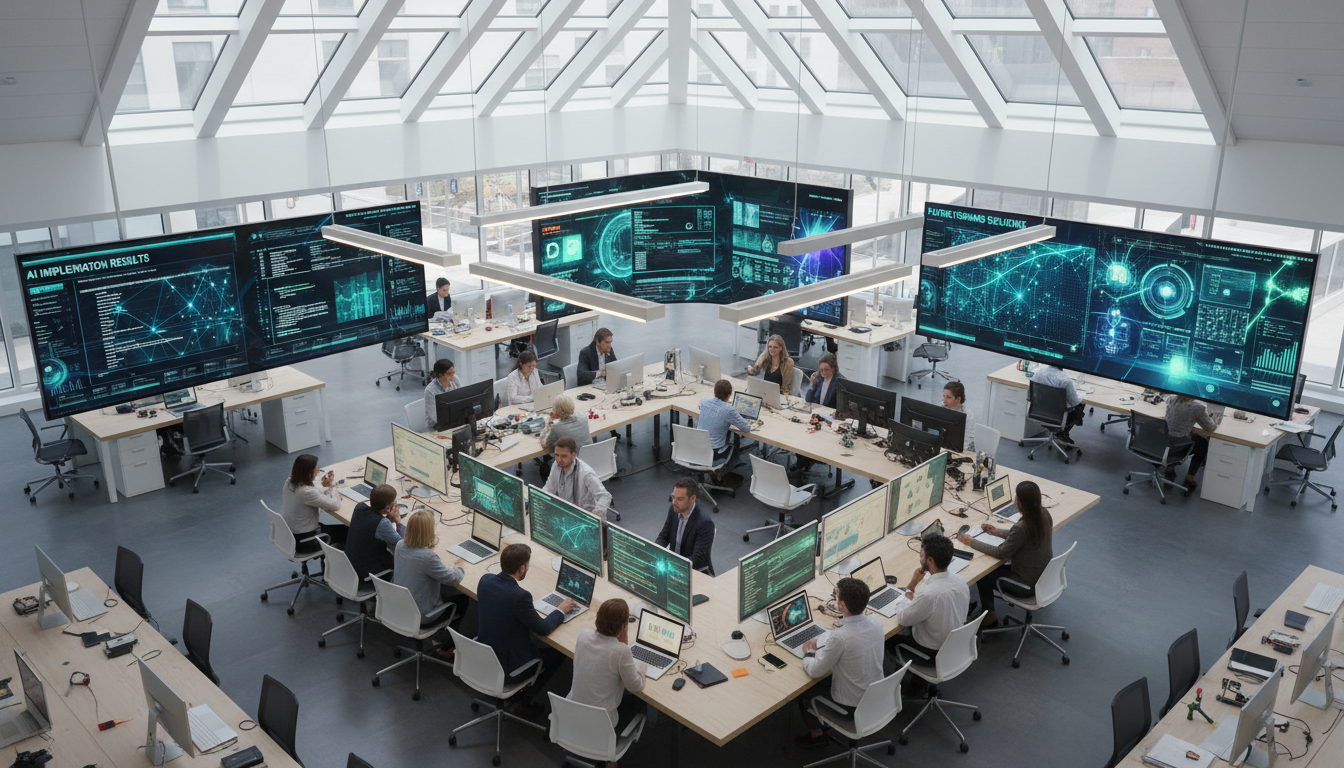
Successful AI integration begins with identifying the areas where AI can have the most impact. Singapore SMEs typically start by automating routine tasks, such as customer service and data entry. This not only saves time but also reduces errors, allowing employees to focus on more strategic activities.
Enhancing Customer Experience
Improving customer experience is a priority for many SMEs. AI technologies like chatbots and virtual assistants provide 24/7 support, ensuring that customer queries are addressed promptly. This leads to increased customer satisfaction and loyalty, which are crucial for business growth.
Data-Driven Decision Making
AI tools enable SMEs to make informed decisions by providing real-time data analysis. Businesses can track market trends, monitor customer behavior, and adjust their strategies accordingly. This data-driven approach allows SMEs to stay competitive and agile in a rapidly changing market.

Overcoming Implementation Barriers
Despite the benefits, some SMEs face barriers in AI adoption, such as high initial costs and a lack of expertise. However, government initiatives and support programs in Singapore are helping businesses overcome these challenges. By offering grants and training programs, SMEs are better equipped to embrace AI technologies.
Case Study Highlights
Several Singapore SMEs have already reaped the benefits of AI. For instance, a retail company used AI to optimize its supply chain, resulting in a 20% reduction in inventory costs. Another SME in the healthcare sector implemented AI-driven diagnostic tools, improving patient outcomes and operational efficiency.

The Future of AI in SMEs
The future looks promising as more SMEs recognize the potential of AI. Continuous advancements in technology will offer even more opportunities for businesses to innovate and thrive. By staying informed and adaptable, Singapore SMEs can continue to leverage AI for sustained success.
In conclusion, AI is transforming the way Singapore SMEs operate, providing them with the tools needed to improve workflow and achieve their business objectives. As more companies embrace this technology, the landscape of SMEs in Singapore is set to become more dynamic and competitive.